
Watches are one of those things that get people fascinated just by existing. For me, I really enjoyed the mechanics of the moving parts. It didn’t matter if it were quartz or mechanical, I loved to just turn the crown and see the hands moving. And to have such mechanisms on your wrist is such a novelty.
During my teens however, I didn’t have much interest in watches, been more into games and music. It wasn’t until the early 2010s, when I was on my twenties, that I fell for watches all over again. I remember sometime in 2010 or 2011, when I bought an annual catalogue of watches (it was probably the Wristwatch magazine), and started learning about mechanical watches.
Until then, watches were fiddly and cool gadgets to read the time and to look fancy. I had no idea what it was waiting for me. That magazine was my first step into not only luxury watches, but mechanical watches in general. It was through the magazine that I learned about Patek Phillipe, Vacheron Constantin, Panerai, and Ulysse Nardin. I recall flipping the pages, and every single time I did, my mind been blown away by the timepieces depicted there. Three watches really stuck to me: the Ulysse Nardin Freak, a Parmigiani Fleurier Bugatti Super Sport (reference PFH365-1001400-HA1442 from 2010), and a Breguet 7137BB Moon Phase. And after that, I have learned about complications.
Amongst all the complications, the Moon Phase is the most straight forward in terms of its functions. It shows the phase of the moon based on the internal calendar of the watch. If a annual calendar, one might need to adjust the moon phase once every 3 years; if it’s a perpetual calendar, just once every 1000 maybe.
It is also the more visual and apparent. Even more than the turbillon or the perpetual calendar. A yellow moon, in front of a blue or black sky, right in the middle of the dial, nothing is more disturbing and so fascinating. And the mathematics behind this grand complication are phenomenal.
The full moon cycle lasts around 29.5 days, making it quite complicated to coordinate with the Gregorian calendar we follow on our normal day to day errands. For that reason, the cogs and mechanisms need to be precisely crafted, so the wheels can turn both the hour and minute hands in its 60/60 rhythm, as well as the moon phase, in its own pace.
It is believe that the Moon Phase was first seen in human made mechanisms long before clocks, watches, and wristwatches. The Antikythera mechanism, a Greek invention developed over 2000 years in the past, was a tool used to predict and demarcate eclipses, lunar and cosmic movements, and try to understand the elaborated complications of the universe.
Not a moon phase complication per se, but definitely one of its earlier predecessors. Long after, the moon found its place into the watch dial, and since the 17th century, its own design and visual identity developed and evolved, based on the trends surround the industry. From fresco-like depictions, through the art-deco, to the realistic 3D-printed moon surface, this is for sure the most visual distinctive and malleable of the grand complications.
It is for sure one of my favourite parts of the modern mechanical watch, and a complication that can be appreciated by both watch enthusiasts and outsiders alike. Introduced by Patek Phillipe in 1925, this watchmaking classic finds ways to mesh with both traditional and modern watch models without been intrusive.
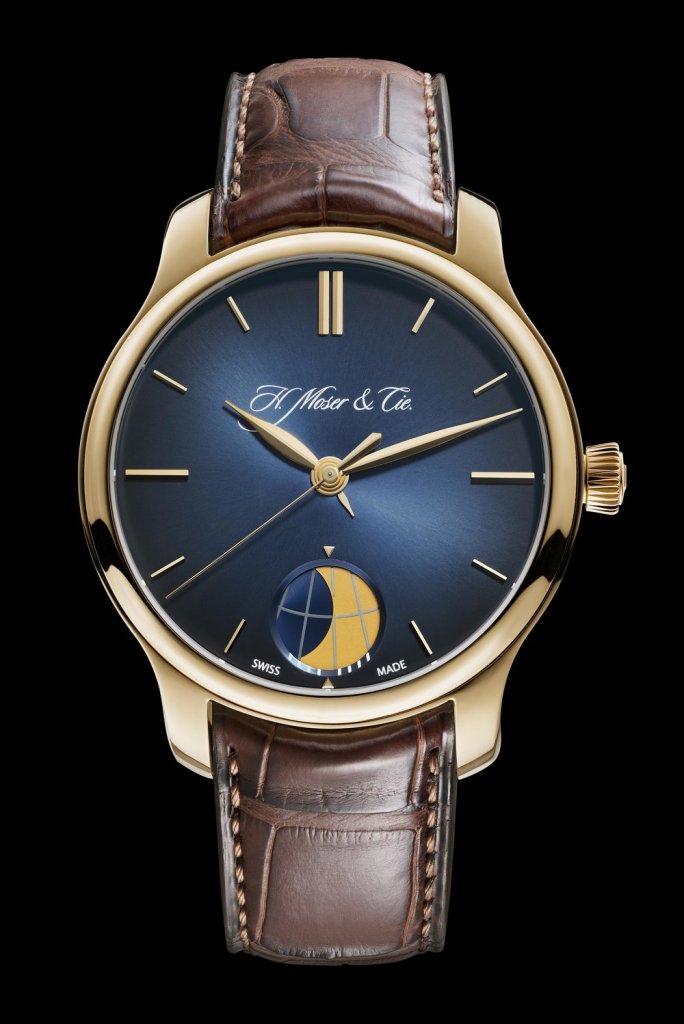
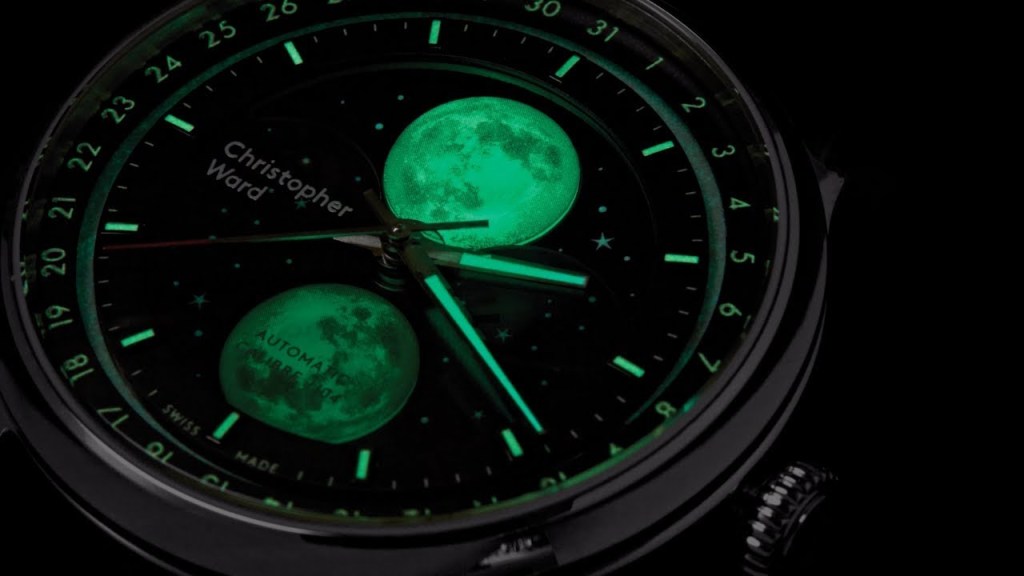
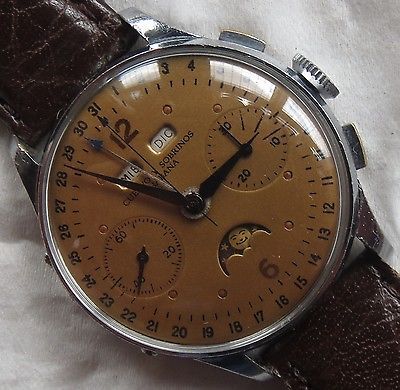
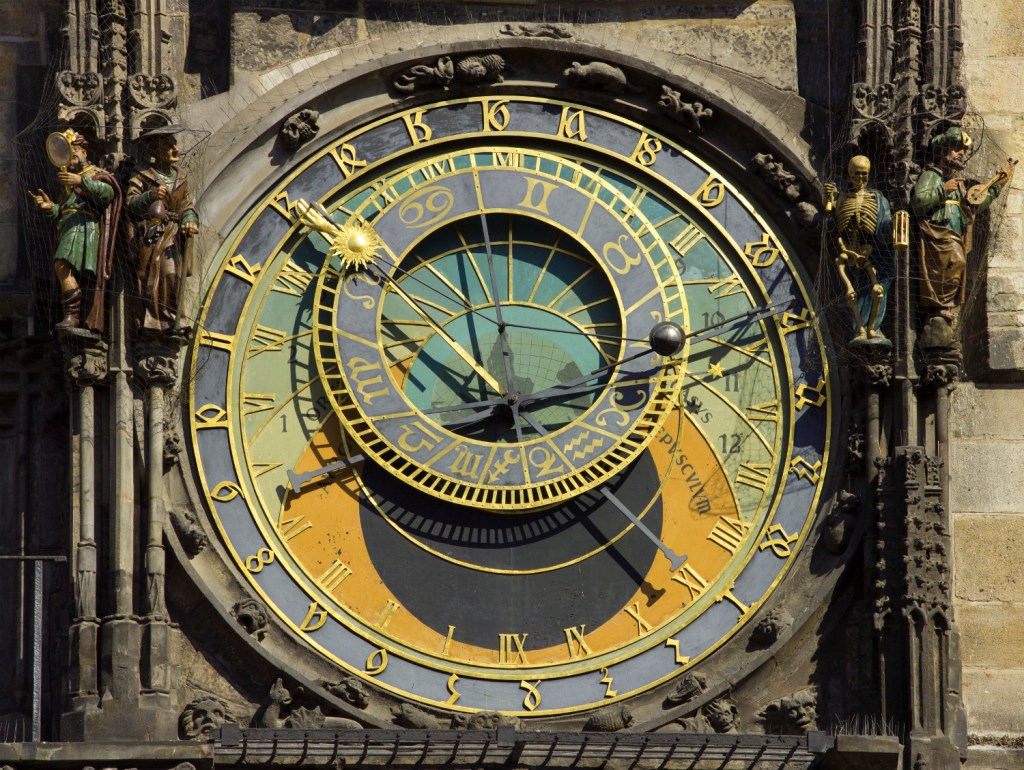
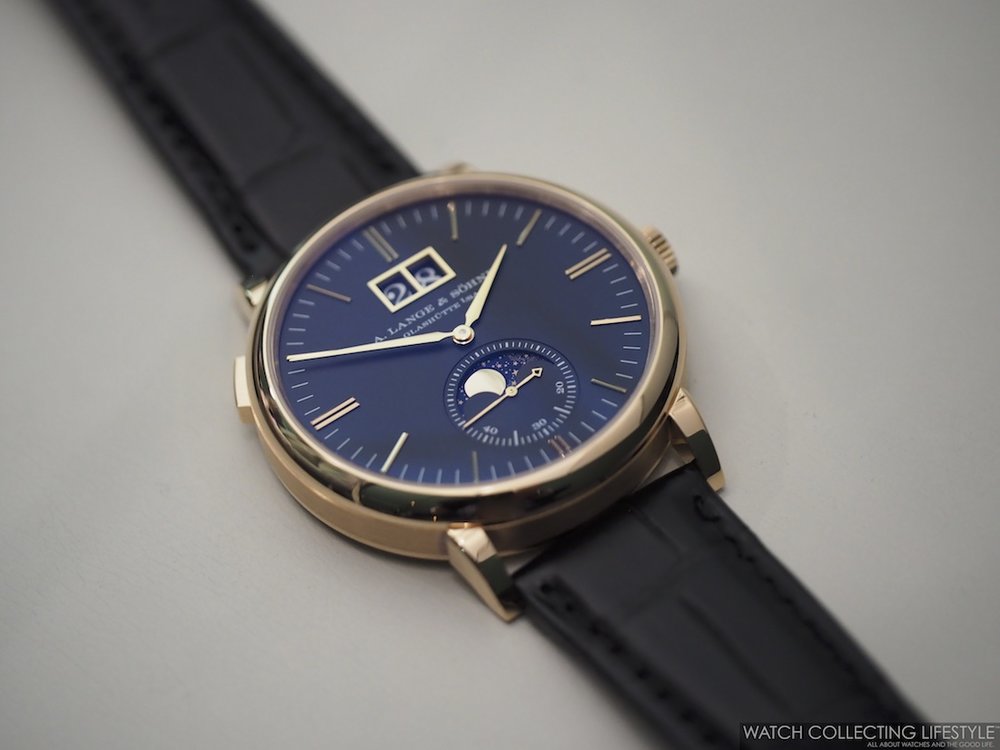
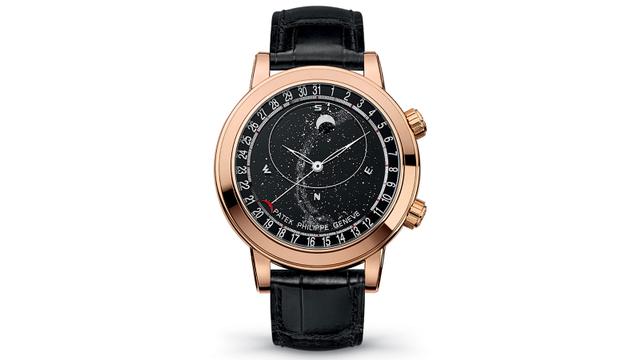
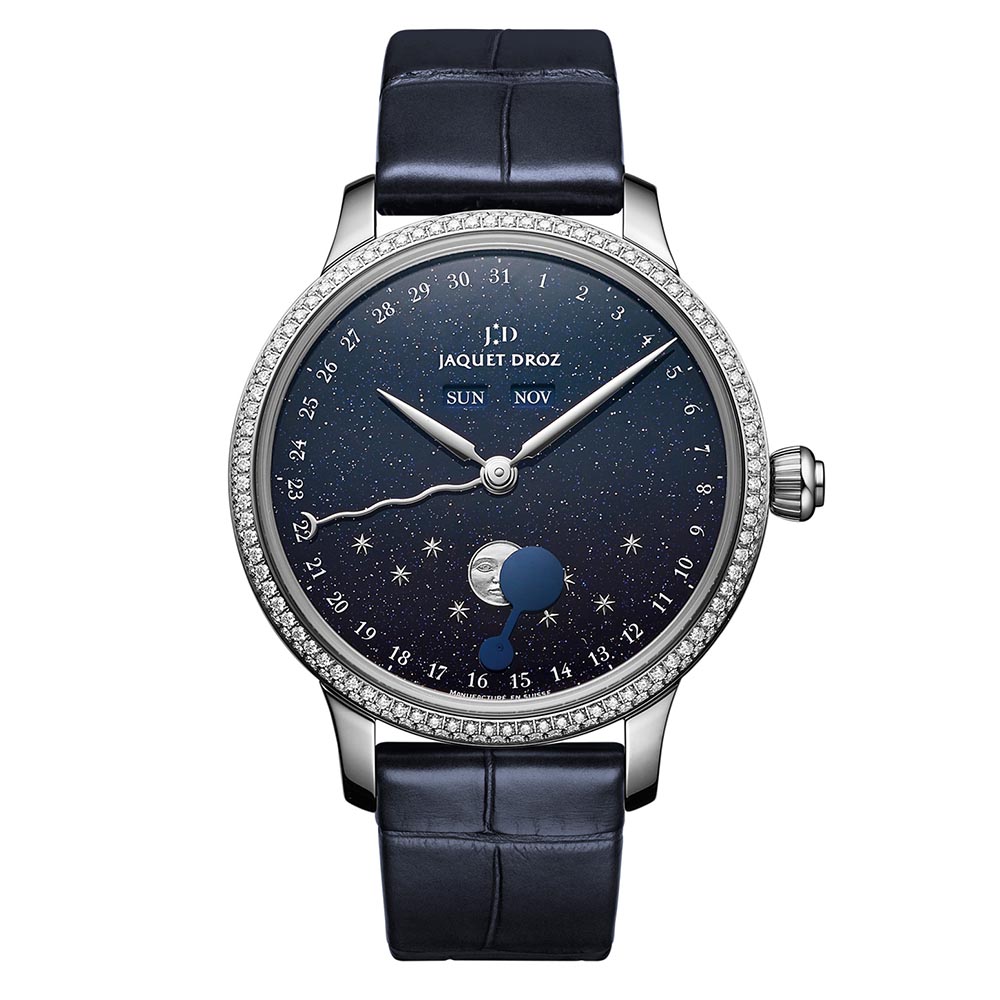
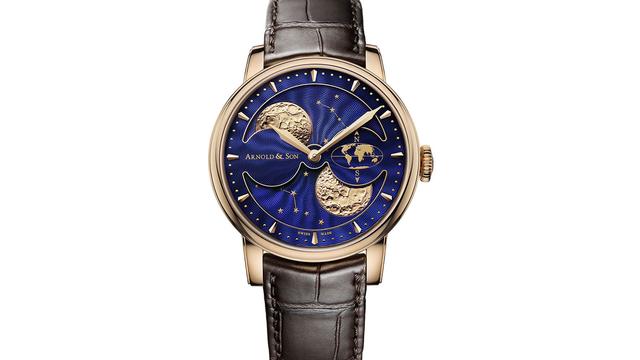
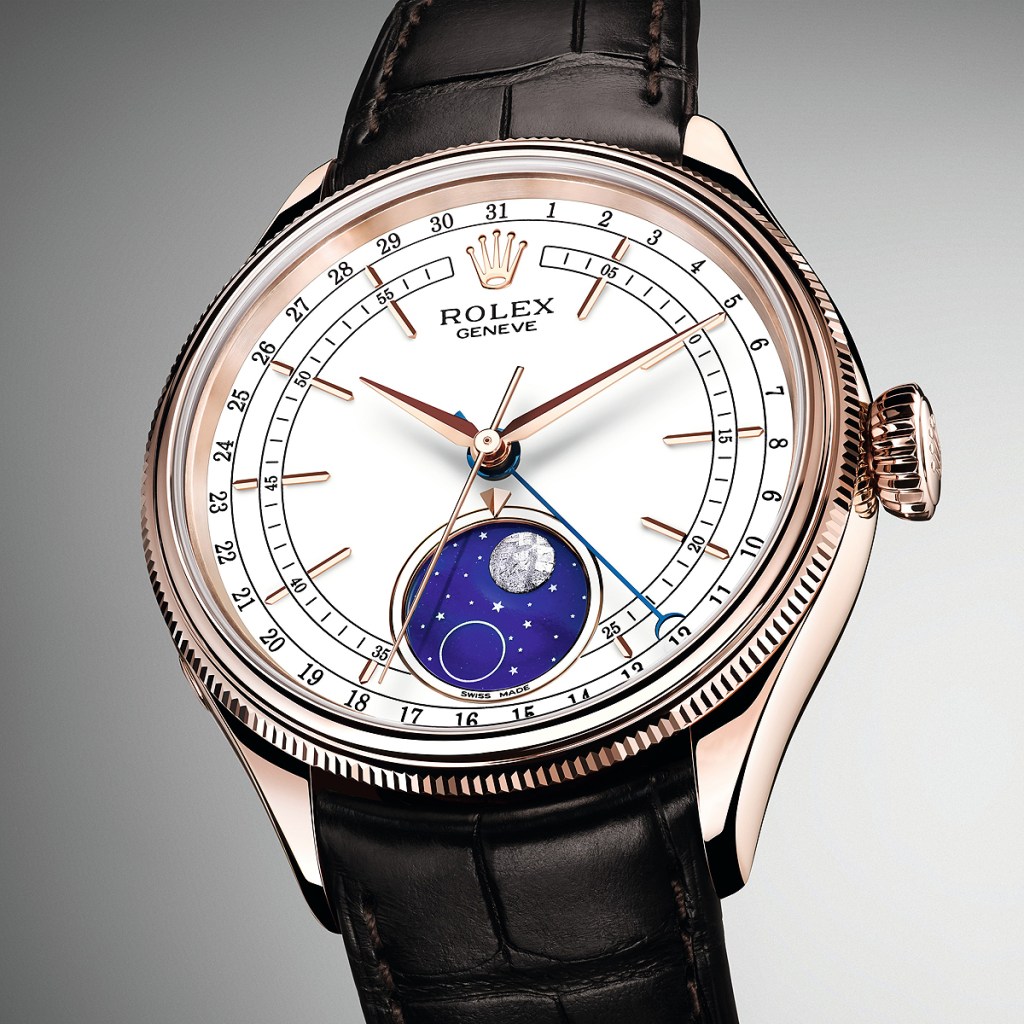
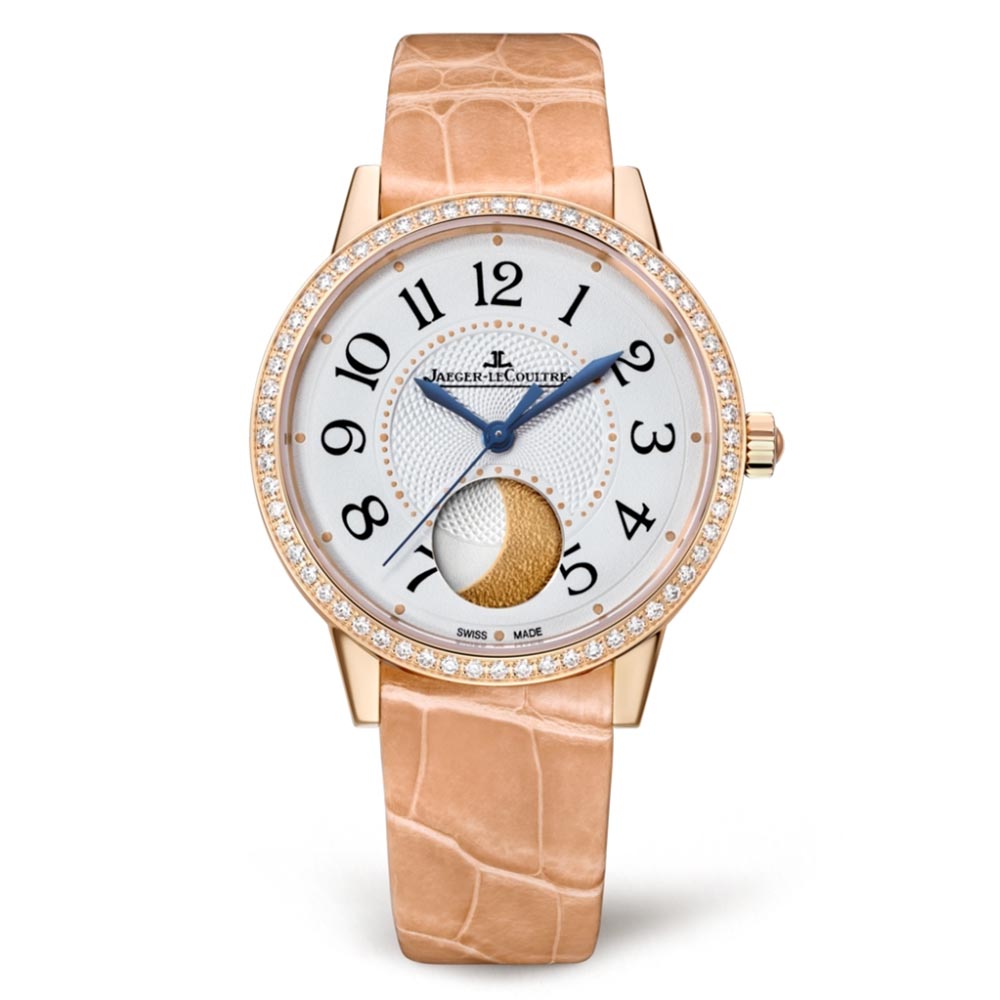
Here are a few examples of the moon phase, from the oldest working Astronomical clock, a very modern Patek’s interpretation, to the amazing Christopher Ward C1 Moonglow.
Pictures from left to right, top to bottom: H Moser & Cie 1348-0100 Blue Fumé; Christopher Ward C1 Moonglow; Cuervo y Sobrinos triple chronograph; Astronomical clock in Prague; A. Langue & Sohne Saxonia; Jaquet Droz Eclipse Aventurine; Patek Phillipe 6102P Sky Moon Celestial; Arnold & Son HM Double Hemisphere Perpetual Moon; Glashutte Original Panomatic Luna; Rolex Cellini Moonphase; Jaeger Le-Coultre Rendez Vous medium moon.

 The Column Wheel